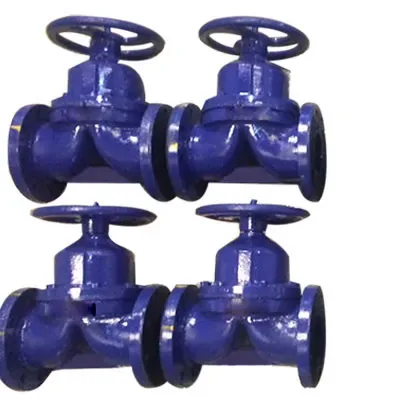
No cavities, no stem leakage
In a diaphragm valve a flexible diaphragm is pressed onto a weir to close the flow. The diaphragm separates the line media from the bonnet and stem, so there is no stem seal to leak and no cavity for product to collect. That is why diaphragm valves are widely used in pharmaceutical and food process industries. They suit positive pressure and vacuum service at moderate pressure, with the temperature limit set by the diaphragm material.
Technical specification
| Size range | 15NB to 250NB |
|---|---|
| Pressure rating | Class 150 |
| Design standard | BS 5156 |
| Inspection | API 598 / BS 6755 |
| Construction | Bolted bonnet; indicating or non-indicating stem |
| Design | Weir type; lined or unlined body |
| Operation | Handwheel, pneumatic, electric |
| Seat / diaphragm | Rubber, PTFE, soft to metal |
| End connection | Flanged RF, threaded |
| Body material | Cast iron, nodular iron, carbon steel, low temperature steel, stainless steel, duplex, super duplex, Hastelloy and high nickel alloys |
| Certification | Third party / customer / Controtek QC |
Salient features
- Cavity-free design
- Position indicator
- Excellent control characteristics
- No stem seal leakage
- Line media isolated from the valve mechanism
- No contamination of the fluid
- Easy online maintenance
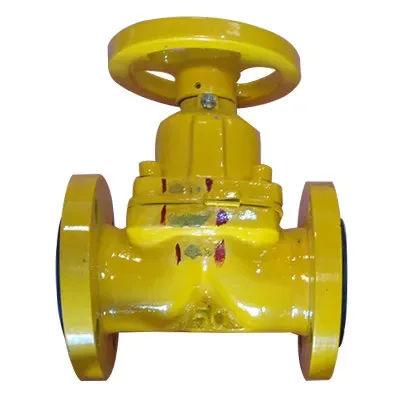
Variants
- Stainless steel diaphragm valves for pharma, food and clean utilities
- Duplex and super duplex diaphragm valves for chloride-bearing fluids
- Pneumatic operated diaphragm valves for automated batch processes
- Electric operated diaphragm valves where air is not available
- Lined diaphragm valves – see also PFA lined valves